A warehouse stock count is how you make sure your system and your shelves actually agree. For a Pakistani COD store, where returns and manual updates constantly nudge the numbers off, regular counts are not optional — they are how you catch drift before it costs you sales. This guide is a practical, step-by-step walkthrough of how to do a stock count in a Pakistani warehouse, whether you run a small storeroom or a multi-city operation.

Why regular stock counts matter
Even with good software, small differences creep in: a return counted to the wrong variant, a damaged unit not removed, a miscount at receiving. Left unchecked, these add up until your store is selling stock you do not have or sitting on stock it will not show. A regular count catches that drift early. The goal is not to count for the sake of counting — it is to keep the number your store trusts equal to the number on your shelf.
Cycle counts vs full counts
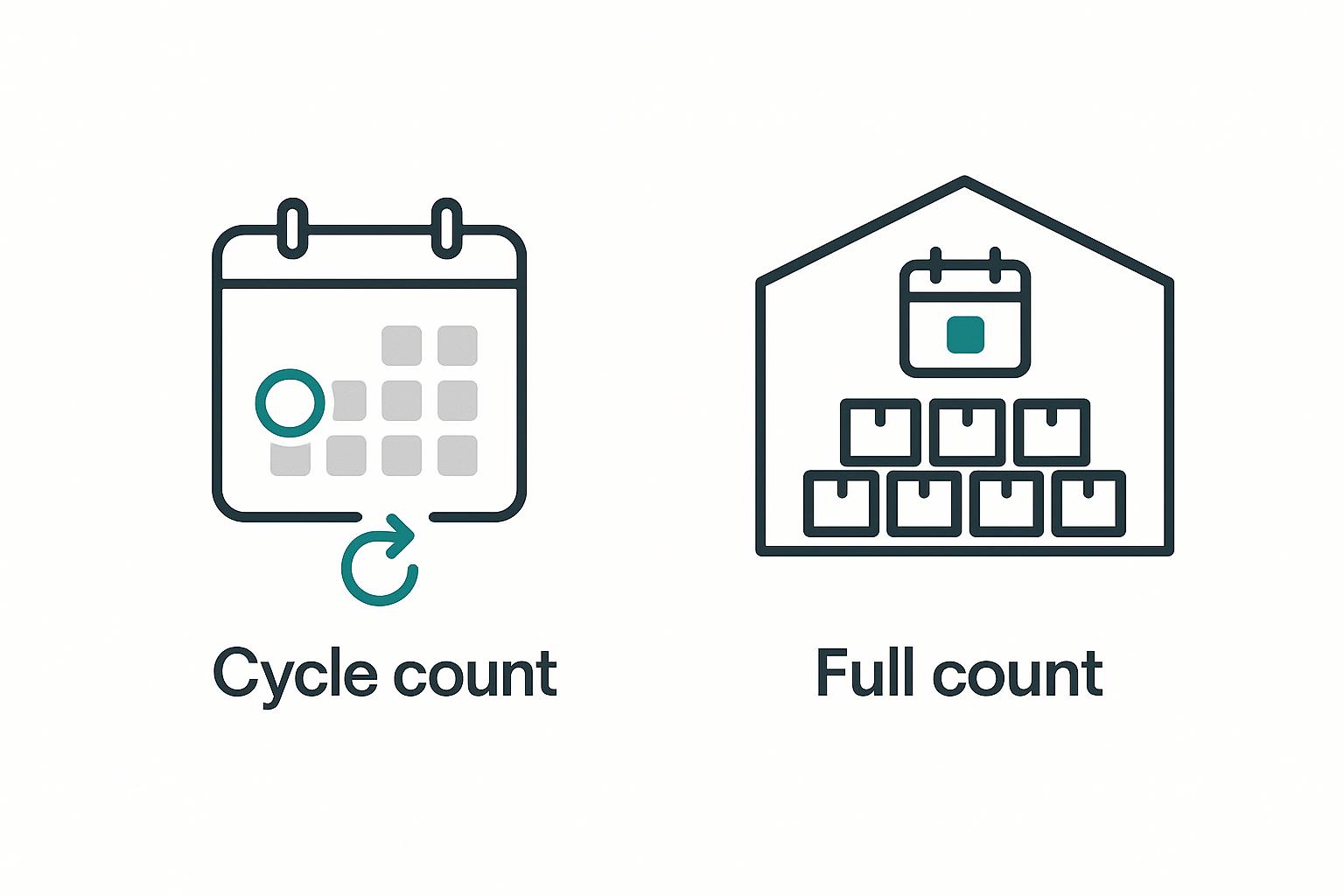
There are two ways to count, and most healthy operations use both:
- Full count: you count everything, usually once or twice a year. It is thorough but disruptive — you often have to pause operations.
- Cycle count: you count a small portion of stock regularly — say, your fastest movers every week and the rest in rotation. It is far less disruptive and catches problems sooner, which is why it suits busy COD stores.
For most Pakistani brands, frequent cycle counts on high-value and high-velocity SKUs, plus an occasional full count, is the right balance.
How to do a stock count, step by step
- Pick the scope. Decide what you are counting — a category, a location, or everything — and when.
- Freeze movement. For the items being counted, pause receiving and dispatch briefly so stock does not move mid-count.
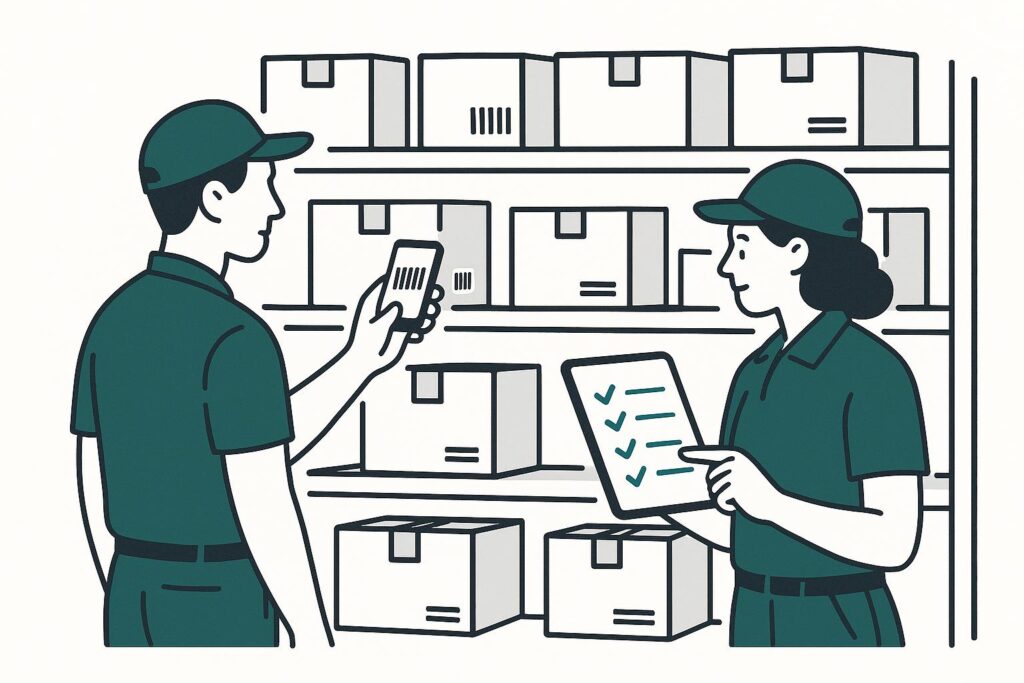
- Count by scanning. Walk the shelves and scan each unit’s barcode with a phone. Scanning is faster and far less error-prone than writing numbers on paper.
- Compare to the system. The software shows you where the physical count differs from the expected count, SKU by SKU and location by location.
- Investigate and adjust. For each difference, find the likely cause, then post a logged adjustment so the record matches reality.
- Resume operations. Unfreeze receiving and dispatch. Your counts are now trustworthy again.
With per-unit barcode software like ScaleOps Inventory, this whole process is a scanning exercise rather than a spreadsheet marathon, and every adjustment is signed and logged.
Handling discrepancies
Differences are normal — what matters is what you do with them. Look for patterns: if one variant is repeatedly short, you may have a returns-handling or theft issue; if a location is always off, check its receiving process. Always post adjustments as logged events with a reason, never silent edits, so you can track whether the problem is improving. Persistent, unexplained shrinkage on high-value items is worth a closer look. For the wider operational context, see our inventory management guide for Shopify COD stores in Pakistan.
Count by scanning, not by hand
ScaleOps Inventory turns stock counts into a quick phone-scan and logs every adjustment. Start a free trial.
Get a Free Trial →Frequently asked questions
How often should I do a warehouse stock count?
Use frequent cycle counts — weekly for fast-moving or high-value SKUs and a rotating schedule for the rest — plus a full count once or twice a year. For a busy COD store, regular cycle counts catch drift early without pausing the whole operation, which a full count usually requires.
What is the difference between a cycle count and a full count?
A full count means counting everything at once, usually once or twice a year, and is thorough but disruptive. A cycle count means counting a small portion of stock regularly in rotation, which is less disruptive and surfaces problems sooner. Most healthy operations combine frequent cycle counts with an occasional full count.
How do I count stock accurately in a Pakistani warehouse?
Pick a scope, briefly freeze movement on those items, then count by scanning each unit’s barcode with a phone rather than writing numbers by hand. Compare the physical count to the system, investigate differences, and post logged adjustments. Scanning is faster and far more accurate than manual counts.
What should I do when the count does not match the system?
Investigate the cause before adjusting. Look for patterns — a variant that is repeatedly short may signal a returns or theft issue, a location that is always off may have a receiving problem. Post adjustments as logged events with a reason rather than silent edits, so you can tell whether the issue is improving.
Do I need to stop sales to count stock?
Not entirely. With cycle counts you only freeze the specific items being counted for a short time, so the rest of the store keeps operating. Full counts are more disruptive and usually need a planned pause, which is one reason cycle counting suits busy COD stores better.
