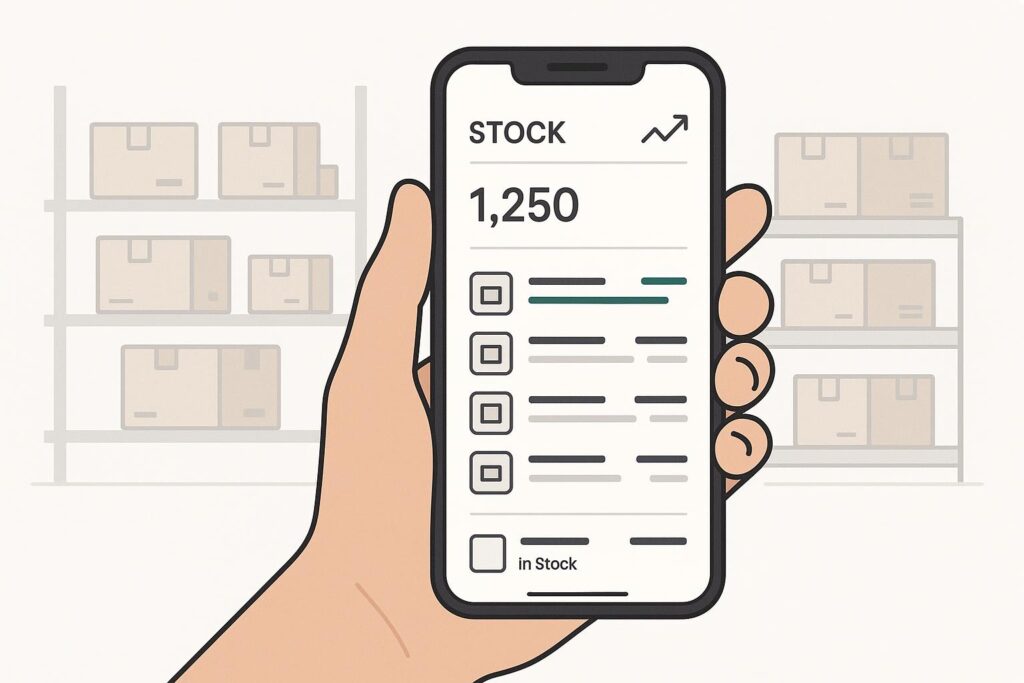
Searching for the best inventory software for Shopify in Pakistan usually turns up a list of global platforms — Cin7, Linnworks, Zoho Inventory, TradeGecko’s replacements — built for prepaid, Western retail. They are capable tools, but almost none of them understand the one thing that defines a Pakistani online store: cash on delivery, and the flood of returns that comes with it. This guide compares your real options and gives you a clear way to choose, so you do not pay in dollars for features you cannot use while missing the one feature you actually need.
What actually matters for a Pakistani COD store
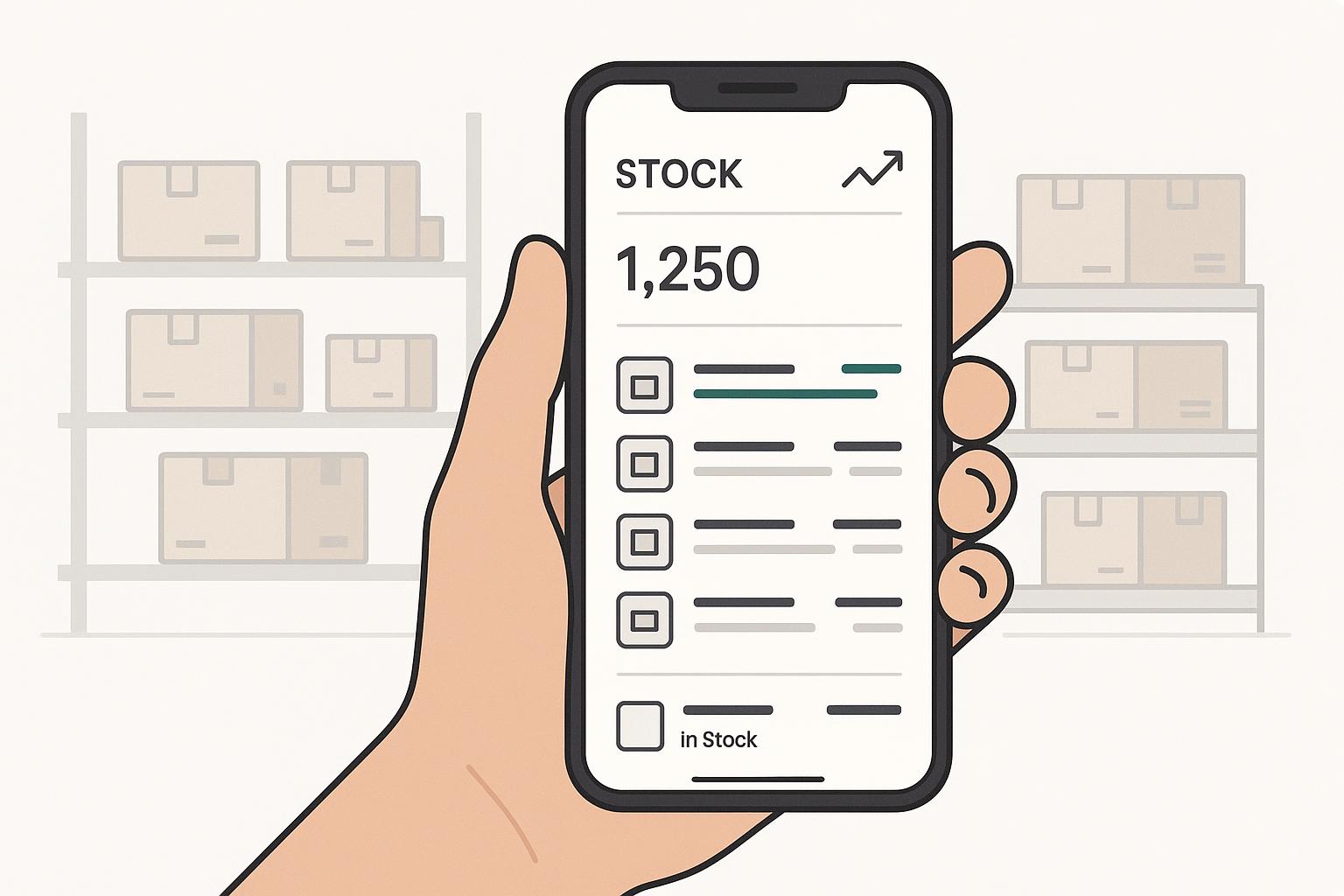
Before comparing brands, get clear on what “best” even means for your business. For a Shopify store running on COD in Pakistan, the software that wins is the one that handles your returns cleanly, keeps Shopify accurate in real time, and runs on your team’s phones. Everything else — fancy demand forecasting, accounting integrations, supplier portals — is secondary until those three are solid. If you want the full background on why, start with our pillar guide to inventory management for Shopify COD stores in Pakistan.
The options compared
Here is an honest side-by-side of the realistic choices for a Pakistani Shopify brand:
| Capability | ScaleOps Inventory | Cin7 / Linnworks | Excel / Manual |
|---|---|---|---|
| COD return scan-back | One scan | Manual workaround | Manual |
| Per-unit barcode tracking | Built-in | SKU-level only | No |
| Real-time Shopify sync | Seconds | Scheduled batch | Manual CSV |
| Mobile-first | Phone camera | Desktop / app | No |
| Pricing | Local (PKR) | USD license | Free, but costly errors |
| Setup time | Days | Months | Immediate, unreliable |
Why global tools fall short for COD
Platforms like Cin7 and Linnworks were designed for markets where almost every order is prepaid. In that world, a “return” is an occasional exception. In Pakistan, a return is a daily, high-volume part of the operation — and these tools simply have no native flow for scanning a refused parcel back into available stock. You end up bolting on manual processes anyway, which defeats the point of paying a monthly dollar license.
The second issue is cost and complexity. Enterprise inventory suites are priced for businesses doing millions in revenue and often need weeks of consultant-led setup. For a Pakistani brand doing solid but not enormous volume, that is a poor fit on both price and time-to-value. Excel sits at the opposite extreme — free and instant, but it cannot prevent overselling or track a returned unit, and the hidden cost of those errors is real money.
The 7-point evaluation checklist
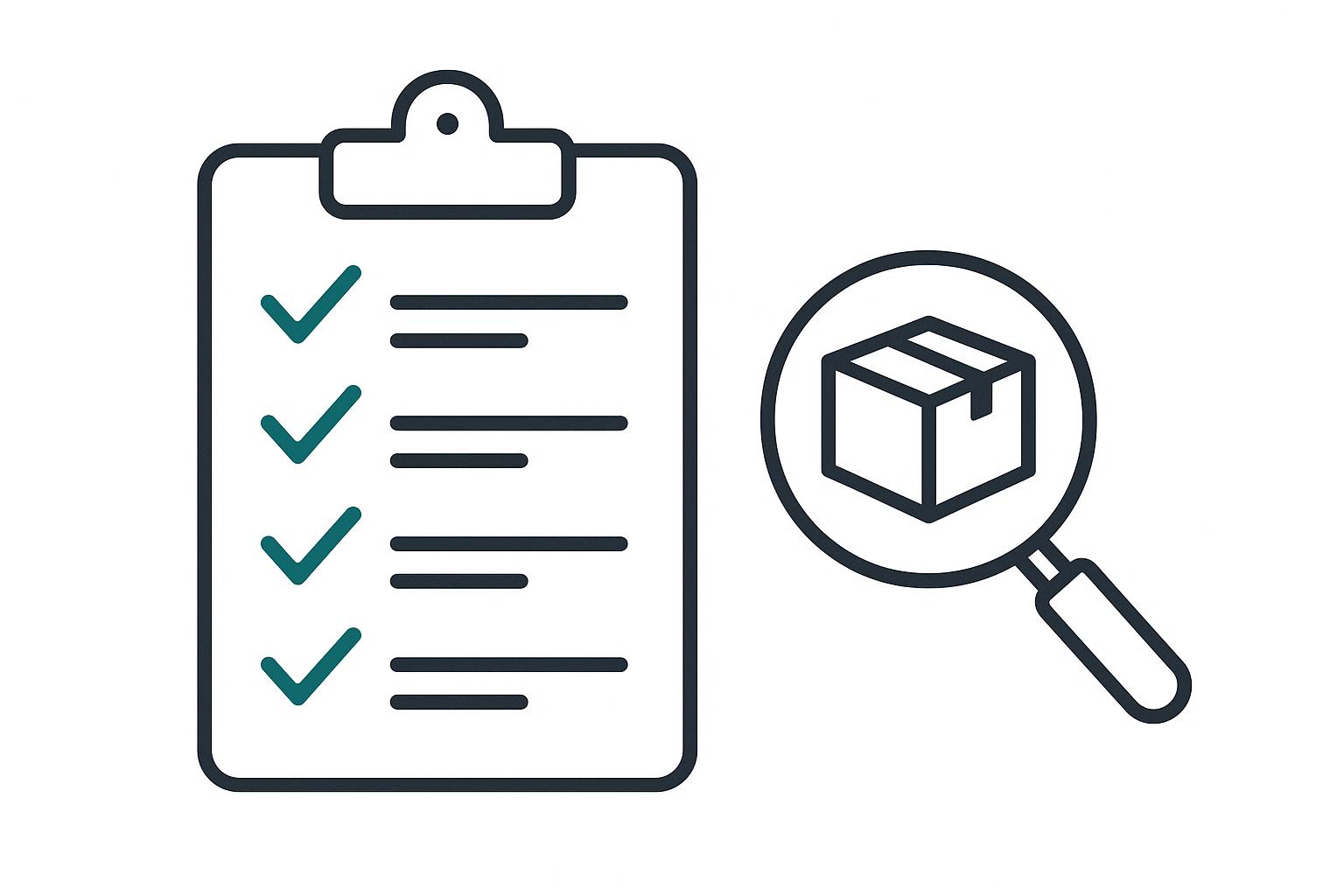
Score any tool you are considering against these seven points. The first three are non-negotiable for COD:
- Native COD return scan-back — one scan to put a refused unit back in stock.
- Real-time Shopify sync — counts update in seconds, to the correct location.
- Mobile-first — works on your warehouse team’s phones, no desktop required.
- Per-unit barcode tracking — individual item history, not just a number.
- Multi-warehouse — per-location stock with logged transfers.
- Local pricing & support — priced in PKR, support in your timezone.
- Fast setup — live in days, not a multi-month project.
If a tool fails any of the first three, it is the wrong tool for a Pakistani COD store, no matter how well-known the brand is.
Our recommendation
For the typical Pakistani Shopify COD brand — footwear, apparel, leather goods, often across more than one city — a purpose-built tool wins decisively. ScaleOps Inventory was designed around exactly this profile: one-scan COD returns, per-unit barcode tracking, real-time Shopify sync, multi-warehouse support, all mobile-first and priced for the local market. It ticks all seven boxes, where global tools miss the three that matter most.
See it on your own stock
Try ScaleOps Inventory free. Connect a test Shopify store and watch the full COD return flow work in minutes.
Get a Free Trial →Frequently asked questions
What is the best inventory software for Shopify in Pakistan?
The best inventory software for a Pakistani Shopify store is one built for cash on delivery: native COD return scan-back, per-unit barcode tracking, real-time Shopify sync, and mobile-first operation, priced in PKR. Global platforms like Cin7 and Linnworks lack a native COD return flow and charge in dollars, which is why a purpose-built tool such as ScaleOps Inventory is usually the better fit.
Is Zoho Inventory or Cin7 good for a COD store in Pakistan?
Both are capable global tools, but neither was designed for high COD return volumes. They track stock at the SKU level and have no native one-scan return-to-stock flow, so you end up adding manual steps. They also bill in dollars. For a COD-heavy Pakistani store, a tool built around the return flow saves more time and money.
Can I just use Excel to manage my Shopify inventory?
Excel is free and instant but cannot prevent overselling, cannot track a returned unit back into stock automatically, and is always a step behind reality. For a low-volume store it can work briefly, but the hidden cost of stock errors and wasted COD bookings usually outweighs the savings quickly.
How much does inventory software cost in Pakistan?
Global platforms charge monthly license fees in US dollars, which can be steep once converted to PKR. Locally built tools are priced for the Pakistani market in rupees. Always weigh the price against the cost of the errors the tool prevents — a single avoided overselling incident or recovered returned unit often covers the monthly fee.
Do I need to be technical to set up inventory software?
No. A purpose-built tool for Pakistani stores connects to Shopify with a one-time authorisation, generates barcodes for you, and is designed for non-technical warehouse staff working on phones. Most brands are live within a few days without a developer.
