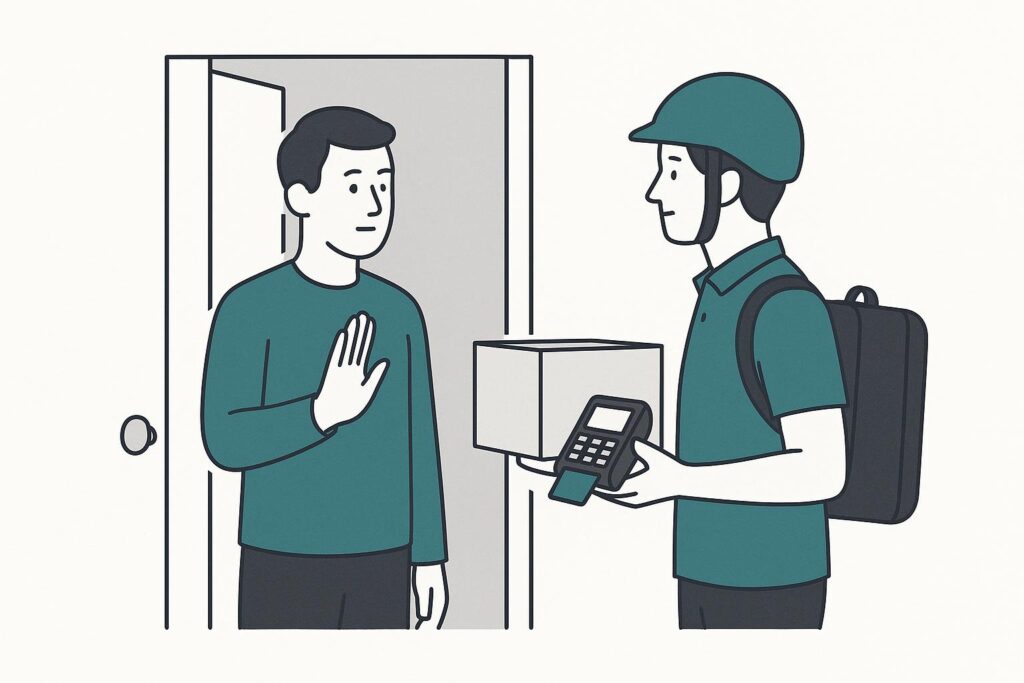
Ask any online seller in Pakistan about their biggest operational headache and the answer is usually the same: returns. The COD return rate in Pakistan routinely sits between 25% and 45% for fashion and footwear — far higher than prepaid markets. Understanding why is the first step to managing it. This guide breaks down the real causes of high cash-on-delivery returns in Pakistan and the practical ways to keep them under control.
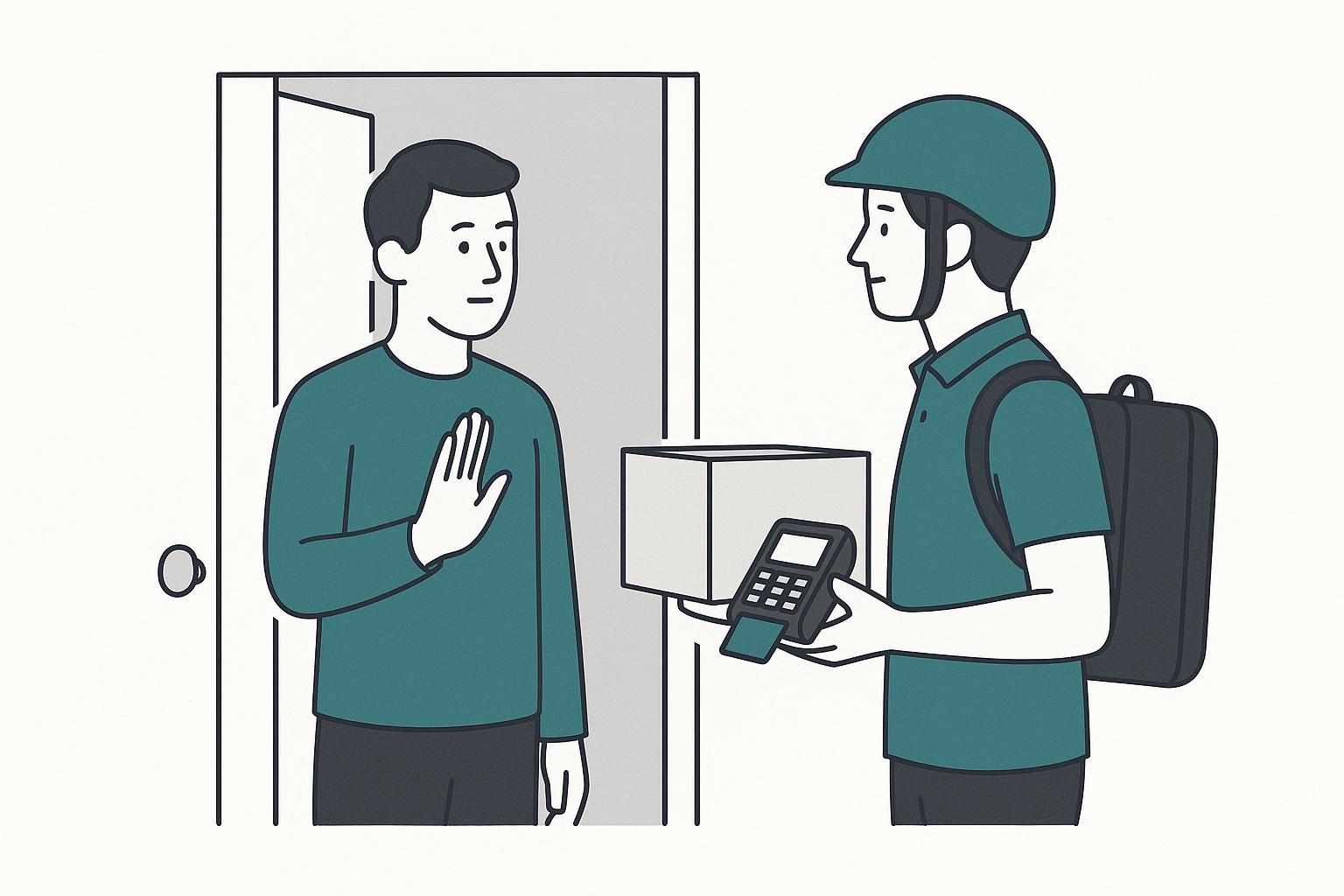
Why returns are so high in Pakistan
Cash on delivery is wonderful for building trust with new customers — they pay only when the product is in their hands. But that same lack of upfront commitment is exactly what drives returns. The main causes:
- No skin in the game. A customer who has not paid anything can refuse at the door with zero cost to themselves.
- Impulse and duplicate orders. People order on a whim, or order the same item from several stores and keep only one.
- Fake and prank orders. Wrong numbers, fake addresses, and malicious orders are a real share of COD volume.
- Delivery delays. By the time a slow parcel arrives, the customer has changed their mind or bought elsewhere.
- Expectation gaps. Sizing, colour, or quality not matching the listing — especially common in apparel and footwear.
What returns really cost you
A return is not just a lost sale. You pay the forward courier charge, often a return charge too, and your team’s time handling the parcel twice. The unit is tied up in transit for days, unavailable to sell. And if it is not counted back into stock cleanly, you may lose track of it entirely. Stack those costs across a 35% return rate and returns become one of the largest hidden drains on a Pakistani store’s margin.
How to reduce your return rate
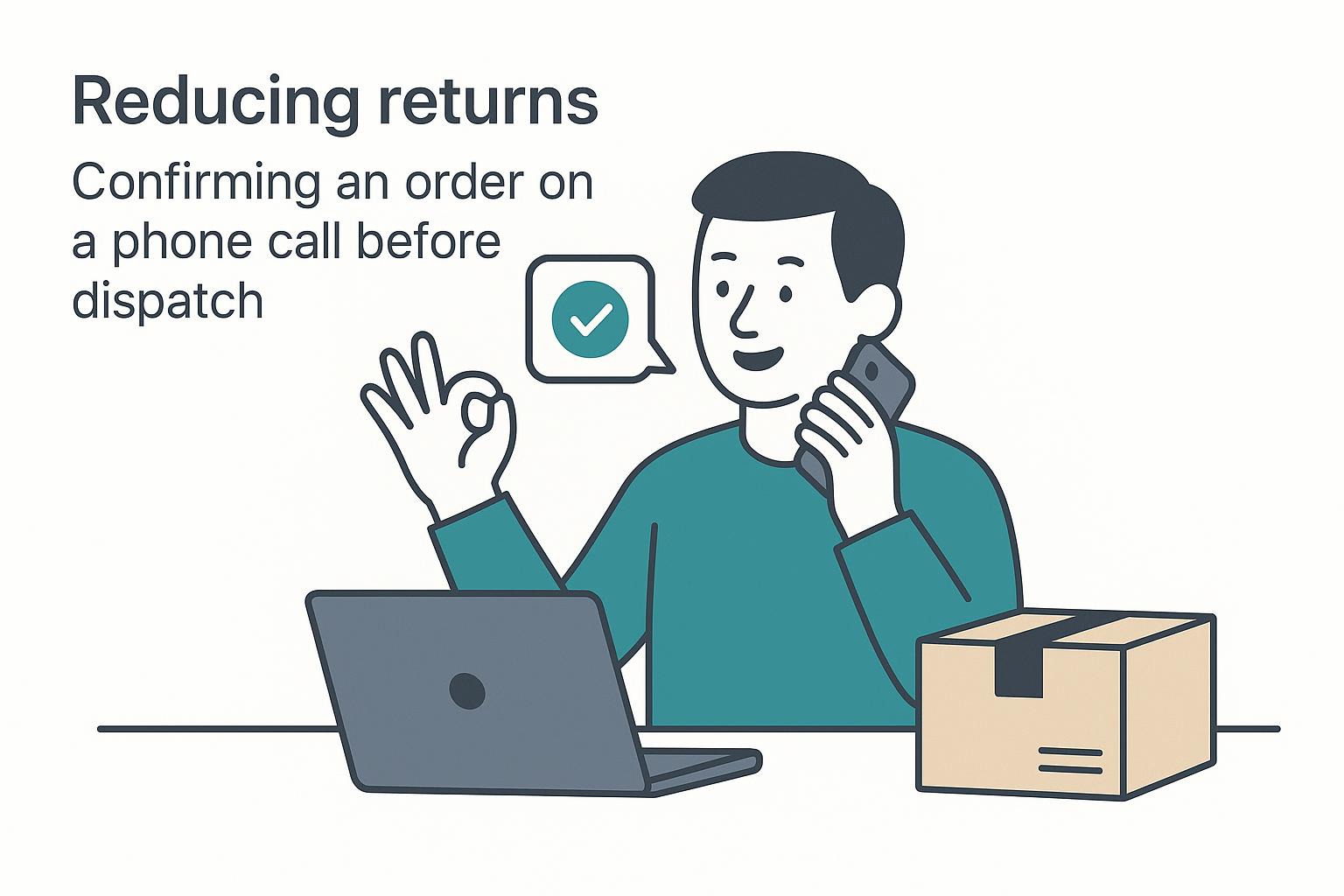
You will never reach zero, but you can move the needle meaningfully:
- Confirm before dispatch. A quick WhatsApp or call confirmation filters out impulse, duplicate, and fake orders before you spend on shipping.
- Track repeat refusers. Keep a record of numbers and addresses that refuse often, and require advance payment from them.
- Set delivery expectations. Clear timelines and proactive updates reduce “I gave up waiting” refusals.
- Improve product information. Accurate sizing charts, real photos, and honest descriptions cut “not what I expected” returns.
- Offer partial prepayment incentives. A small discount for advance payment shifts some risk off COD entirely.
How to manage the returns you do get
The returns you cannot prevent still need to be handled cleanly so they do not cost you twice. The key is a fast, reliable way to put refused units back into sellable stock: scan the returned barcode, confirm the unit is fine, and mark it back to inventory so Shopify updates immediately. We walk through this in detail in our guide to handling COD returns without losing stock, and a tool like ScaleOps Inventory makes it a two-tap habit. For the bigger picture, see the complete inventory guide for Shopify COD stores in Pakistan.
Make returns painless
ScaleOps Inventory scans every COD return straight back into stock and keeps Shopify accurate. Start a free trial.
Get a Free Trial →Frequently asked questions
What is the average COD return rate in Pakistan?
For fashion and footwear sold on cash on delivery in Pakistan, return rates commonly fall between 25% and 45%, depending on the category, price point, and how well orders are confirmed before dispatch. Rates can be lower for confirmed, repeat customers and higher for cold traffic and impulse purchases.
Why do Pakistani customers refuse COD orders?
Because cash on delivery requires no upfront payment, customers can refuse at the door with no personal cost. Common reasons include impulse buying, ordering the same item from multiple stores, changing their mind during delivery delays, fake or prank orders, and the product not matching expectations on size, colour, or quality.
How can I reduce COD returns for my Shopify store?
Confirm every order with a WhatsApp or call before dispatch, track and require prepayment from repeat refusers, set clear delivery expectations, improve sizing and product information, and offer a small incentive for advance payment. Together these reduce impulse, fake, and expectation-gap returns.
Do return charges from couriers add up?
Yes. On a refused order you typically pay the forward delivery charge and often a return charge as well, plus your team’s time handling the parcel twice and the opportunity cost of the unit being in transit. Across a high return rate this becomes one of the largest hidden costs in a COD business.
What is the best way to handle returned COD stock?
Bring returns to one receiving point and use a barcode scan-back: scan each unit to identify it, inspect it, and mark sellable units back into stock so Shopify updates automatically. This prevents lost units, wrong-variant errors, and damaged stock accidentally re-shipping.
